
Key Takeaways
- Over 70% of Indian diets lack sufficient protein, especially in vegetarian meals, making balanced plant protein intake essential.
- Combining plant-based protein sources like dals, grains, dairy, nuts, and seeds helps create complete, high-quality protein meals.
- Simple swaps such as protein-enriched atta, Greek yoghurt, or Good Monk Plant Protein powder can naturally bridge daily protein gaps.
In This Article
- Key Takeaways
- Hidden Protein Gap In Indian Family Meals
- What Is Plant Protein?
- Difference Between Animal And Plant Protein
- How To Boost Plant Protein Naturally In Chapati, Curries, Smoothies, And Tiffin Boxes
- Conclusion
- Frequently Asked Questions (FAQs)
Why India Needs a Protein Wake-Up Call!
Did you know that nearly 73% of Indian diets are protein-deficient, and 9 out of 10 people don’t even meet their daily protein requirement? - Indian Market Research Bureau (IMRB)
Hidden Protein Gap In Indian Family Meals.
A 2017 survey by the Indian Market Research Bureau (IMRB) found that 73% of urban rich Indians are protein-deficient and 93% are unaware of their daily protein requirements.
|
So, what is the daily requirement needed by an individual? The recommended dietary allowance (RDA) for protein intake is 0.83g to 1g per kg per day for healthy men and women. |
Why do we see this gap is due following reasons:
- India is a predominantly vegetarian country, and a vegetarian diet lacks some essential amino acids and requires conscious effort to look for good sources of protein for vegetarians.
- Even if there is a complementary combination done, plant protein can have lower digestibility than animal-based protein-rich foods.
- The stereotyping of protein-rich food/supplements as “body builder foods” can discourage the population from protein intake. And to add to this, the shift from whole cereals and pulses to more processed and refined cereals limits the protein content.
Therefore, barriers such as a traditional cereal-based diet, incomplete plant proteins, a mindset towards protein powders, and cost can lead to an insufficient protein content in the diet. If the body doesn’t receive the required amount needed per day, it can harm our body’s ability to generate energy, maintain muscle health, facilitate recovery, and support hair & skin health.
Let us understand how, being a predominantly vegetarian country, we can improve the protein quality and quantity in the diet.
What Is Plant Protein?
It's simply the protein found in plants like,
- Legumes: peas, soyabeans (edamame), rajma, chickpeas (channa)
- Grains: oats, whole wheat, ragi, jowar
- Dairy and Dairy products: paneer, yoghurt, curd
- Nuts & Seeds: almonds, walnuts, chia seeds, flax seeds
Protein is made up of the structural parts of our body, like hair, skin, nails, organs and mainly muscle. It is required by most enzymes and hormones for them to function, which allows normal physiological cycles to occur in harmony. To slow the biological ageing process, we need to consume enough protein daily.
If you’re wondering what are the sources of protein for vegetarians, these plant based protein sources provide a clean, sustainable way to meet your daily needs.
Now that we know where plant proteins come from, it’s important to understand how they compare to animal proteins — and why mixing different plant-based foods is the secret to making every meal complete.
Difference Between Animal And Plant Protein:
All proteins, no matter the source, are made of the same amino acids but differ in their combination and number. The only thing different is the quality of the protein from animal vs plant. Every protein is made up of several amino acids. There are 21 types of amino acids. Each protein has its own number, type and combination of amino acids.
Typically, animal protein contains all kinds of amino acids, which is a high-quality and complete protein, whereas plant protein, depending on its source, lacks one or more amino acids, therefore making it an incomplete protein. Hence, we must combine these plant protein sources in our meals to make them a complete protein.
Some of the famous examples for complementary food combinations are daal-chawal, where dal lacks methionine and is rich in lysine, and chawal lacks lysine and is rich in methionine. Similarly, for idli - sambhar!
How To Boost Plant Protein Naturally In Chapati, Curries, Smoothies, And Tiffin Boxes.
1. Smarter Paneer Swaps:
Swap your usual paneer (20g protein and 24g fat per 100g) to high-protein and low-fat paneer (25g protein and 9g fat per 100g), or tofu (15g protein and 5g fat per 100g).
2. Power up breakfast:
Addition of chia seeds, greek yoghurt, nuts like almonds and walnuts to your oatmeal or smoothies for breakfast can help boost protein intake.
3. Snack swap-up:
Swap the fat-based mayonnaise dip for a chickpea-based dip (hummus) to make it healthier and high-protein.
4. Protein-rich atta:
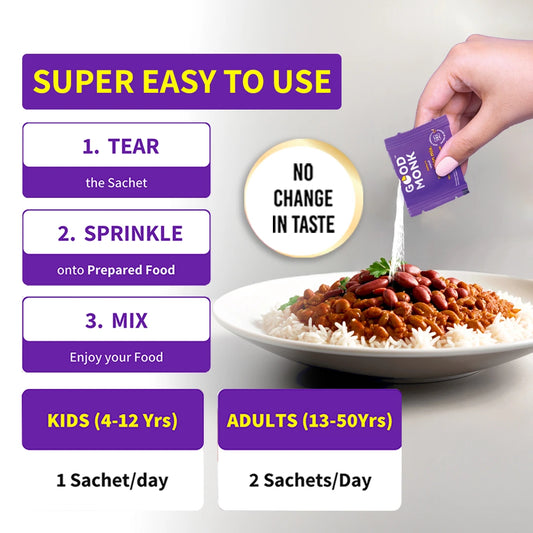
Swap the usual atta for multigrain atta, or even better is make your atta high in protein by adding “add to roti” protein powder (Good Monk Plant Protein). This enhances the protein content to 5g of protein per roti.

Conclusion
Building a protein-strong plate doesn’t have to mean a drastic diet change. It is about making small, smart swaps every day. By combining the right foods (like daal + chawal + dahi, roti + chana, or tofu + veggies) and using easy add-ons such as seeds, greek yoghurt, or protein-enriched atta, families can naturally bridge the protein gap.
Plant proteins, when paired right, are powerful; they not only support growth, energy, and immunity but also help maintain long-term metabolic and muscle health for every member of the family. It also has the bonus benefit of improving skin and hair health. So, let’s make every meal count — because better protein means a stronger, healthier and happier family!
Frequently Asked Questions (FAQs)
1. Why are plant-based proteins important?
Plant-based proteins are important because they help our bodies meet its daily protein requirement and support overall wellness. Moreover, plant-based protein sources are full of fiber, vitamins, antioxidants and they don't have high saturated fat levels like animal protein. For vegetarians, plant-based protein sources such as lentils, soya beans, chickpeas, and seeds can work wonders for helping build muscle, boosting strength, and improving gut health.
If you want to include clean and complete plant-based protein for your meals, you can also try out Good Monk’s health supplements that can bridge nutritional gaps in your diet.
2. What foods are high in protein?
If you are looking for top high-protein vegetarian foods, here are some amazing options for you. Legumes, soy and tofu, dairy, seeds and nuts, whole grains. Moreover, you can also check out Good Monk’s health mix powder and add it to your milk, smoothies, and atta.
3. How Much Protein Do Kids Actually Need?
Kids require 0.8 to 1.0 grams of protein per kg of body weight daily. This greatly depends on their respective age and activity levels. For vegetarian families and adults, it is very important to pay attention to incorporating plant-derived protein in meals like dal-chawal, idli-sambar, chapati, etc.
4. Can Plants Provide Complete Protein?
Yes, but with a smart combination of plant-protein sources. When we look for plant-based protein for vegetarian meals in India, we have to acknowledge that many sources lack one or more amino acids.
Therefore, choosing the right food combinations can make all the difference. Dal + rice or sambar means a balanced meal as a group. Roti + channa or curd also gives you complete protein. The idea is to include a mix of legumes, grains, and seeds in your diet to fortify your diet for clean and complete plant-based protein. To that end, you can also try out Good Monk’s Plant Protein powder to meet your daily protein requirement.
5. How can you incorporate more plant-based proteins into your diet?
This is how you can add plant-protein foods into your diet.
- Upgrade your atta by mixing in good amounts of plant-protein to make high-protein rotis.
- Boost your breakfast by adding chia seeds, nuts, etc. to your smoothies or oats.
- Swap fried snacks with roasted chickpeas, hummus, etc.
- Add lentils, peas, tofu, or paneer to boost protein content naturally in your diet.
- You can also use Good Monk’s gut health supplements, to aid digestion, and Fiber Fix to improve nutrient absorption.
References:
1. Right To Protein. (n.d.). India’s Protein Paradox Study. Commissioned by Right To Protein and conducted by Nielsen; survey of 2,142 mothers across 16 Indian cities.
https://www.righttoprotein.com/assets/pdf/Indias-Protein-Paradox-Study.pdf
2. ICMR-NIN Expert Group on Nutrient Requirement for Indians. Nutrient Requirements and Recommended Dietary Allowances for Indians (RDA and EAR) – 2020. National Institute of Nutrition, Hyderabad. https://nin.res.in/RDA_Full_Report_2020.html
3. https://pmc.ncbi.nlm.nih.gov/articles/PMC8147948/
Related articles:
- Why your body needs protein
- Best plant protein sources for vegans
- Protein gap: Quality vs quantity
- Top 15 nutrition facts
About the author:
This blog was written by Nawal Fathima, Innovation and Nutrition Executive at Good Monk - a clean and honest nutrition brand supported by doctors and food scientists. Every product is backed by thorough clinical evidence and clinically proven ingredients and made to help families eat better, feel better, and live healthier every day.
Disclaimer: The content of this blog reflects the author’s summary and interpretation of the topic. It is intended for informational purposes only and should not be considered a substitute for professional advice. The views expressed are not personal opinions but are based on existing research or expert insights, where referenced.
Popular Searches
Milk Mix Powder | Best multivitamin | Multivitamin Powder | Juice Powder | Plant Protein Powder | Weight Management | Health Drink For Senior Citizens | Multivitamin With Probiotic | Fiber Powder | Orange Energy Drink Powder | Immunity Boosting Powder | Weight Management Program