



Key Takeaways
- Protein is essential for strength and overall health—and it’s getting the attention it deserves in modern nutrition.
- High-protein plant foods like lentils, beans, quinoa, and hemp hearts offer not only protein but also added benefits like fiber, antioxidants, and other nutrients.
- For those looking to boost their protein intake, especially with busy lifestyles health supplements can be a convenient and effective addition.
- This blog explores the best high-biological-value plant protein sources, perfect for vegetarians and anyone looking to eat cleaner and smarter.
In This Article
What Is Biological Value in Protein?
Best High Biological Value Plant Protein Sources
Benefits of High BV Plant Proteins
Common Mistakes Vegetarians Make With Protein
Introduction
Protein has become the celebrity of nutrition. Everyone's chasing it, posting about it, and flexing it as if it is the ultimate ticket to strength and health, and we say, rightly so!
When people think of protein, they often picture chicken, eggs, or a heavy steak. But we are here to tell you the truth. You don't need meat to power up your muscles, fuel your energy, or meet your body's nutritional needs. Plant protein sources are now in the spotlight, and for all the right reasons, we say.
High-protein plant-based foods like lentils, beans, quinoa, and hemp hearts truly afford vegetarians an entire buffet of protein-packed options. A high-protein plant-based diet does not just support strength and endurance, but also gives heart-friendly fiber, antioxidants, and bioactive compounds that animal protein tends to lack.
If you are wondering which are the best sources of plant protein with a high biological value, this blog is perfect for you. So come along and let's unravel the secrets of science, taste, and nutrition, all served on a plant-powered plate.

What Is Biological Value in Protein?
Before we talk about the highest sources of plant protein and a diet that is full of protein-rich plants, let's talk about the concept of biological value.
Biological value, or BV, measures how efficiently a body can absorb and use the protein you eat for its functioning. [1] Animal proteins usually have a higher score of BV, but many plant-based protein foods also work wonders when combined smartly with different plant protein sources.
When vegetarians focus on high biological value plant-based proteins for muscle building, it makes sure that they are not just getting the protein that they need, but also the amino acids that their body requires for repair, strength, and vitality.
Best High Biological Value Plant Protein Sources
Take a look at some of the best plant protein options that score high on nutrition and digestibility.
|
Plant Protein Source |
Protein Content (per serving) |
Why It’s the Best Plant Protein |
Key Benefits |
|
Peas |
9 g per cooked cup |
One of the easiest plant protein sources to add to meals |
Supports digestion, rich in iron and fiber |
|
Beans (Kidney, Black, Pinto) |
15 g per cooked cup |
Staple in plant-based diet protein plans |
Lowers cholesterol, balances blood sugar, boosts immunity |
|
Lentils |
18 g per cooked cup |
A top choice for a high-protein plant-based diet |
Complete amino acid profile, promotes gut health |
|
Chickpeas |
15 g per cooked cup |
Among the highest source of plant protein for vegetarians |
Improves heart health, aids weight management |
|
Hemp Hearts |
9 g per 3 tbsp |
Tiny but nutrient-dense plant-based protein foods |
Rich in omega-3s, supports skin and joint health |
|
Chia Seeds |
5 g per ounce |
Versatile protein-rich plants for smoothies, puddings, and yogurts |
Fiber-packed, supports bone strength |
|
Quinoa |
8 g per cooked cup |
A rare complete grain, one of the best sources of plant protein |
Gluten-free, improves muscle repair and energy |
|
Tofu (Soy-Based) |
12–20 g per 100 g |
Highly digestible plant-based protein sources |
Rich in calcium and iron, excellent for muscle growth |
|
Non-Dairy Milks (Soy, Almond) |
6 g per cup (fortified soy) |
Easy-to-use plant-based diet protein alternative |
Fortified with calcium, vitamin D, and B12 |
|
Dairy-Free Yogurt (Soy/Almond/Oat) |
6–10 g per serving |
Convenient high-protein plant-based foods |
Improves gut health, supports bone density |
|
Nuts & Nut Butters |
5–7 g per ounce |
Delicious plant protein sources that support bone and muscle health |
Rich in Vitamin E, antioxidants and healthy fats |
Benefits of High BV Plant Proteins
Now that we have figured out the best protein sources with high BV value, let's talk about how these high-protein plant-based foods can supercharge your health.
-
Supports Muscle Growth And Repair
Plant protein sources like lentils, beans, quinoa, etc., can give essential amino acids to your body that are very important for recovery and strength.
-
Aids In Weight Management
When your protein intake is appropriate, you will feel satiated. Choosing protein-rich plants can help curb cravings and support your healthy weight management journey.
-
Promotes Heart Health
Unlike animal proteins, plant-based protein sources are naturally cholesterol-free and rich in fiber. This can help reduce instances of heart problems.
-
Enhances Digestive Health
Plant sources offer a nutritional diversity of iron, calcium, and antioxidants, which bodes very well for your digestive health.
-
Rich In Essential Nutrients
Plant sources offer a nutritional diversity of iron, calcium, and antioxidants.
-
Lowers Risk Of Chronic Diseases
A high-protein, plant-based diet can be linked to a reduced risk of diabetes, heart disease, and even certain cancers. [2]
-
Environmentally Friendly
If you are enthusiastic about sustainable living, choosing plant-based protein foods can help reduce carbon footprint.
-
Provides Bioactive Compounds
Foods like hemp seeds contain compounds that have anti-inflammatory and immune-boosting properties.
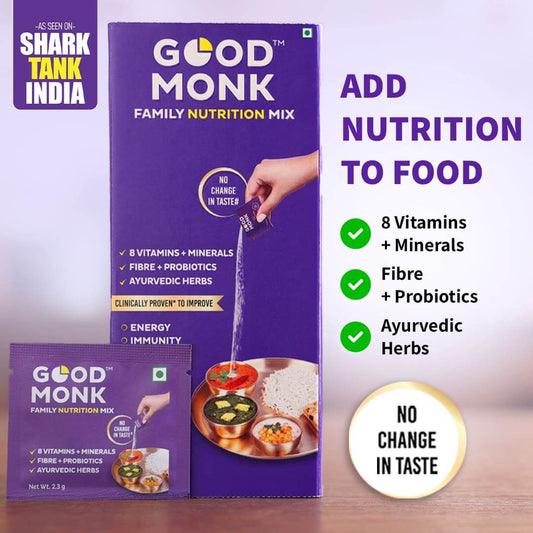
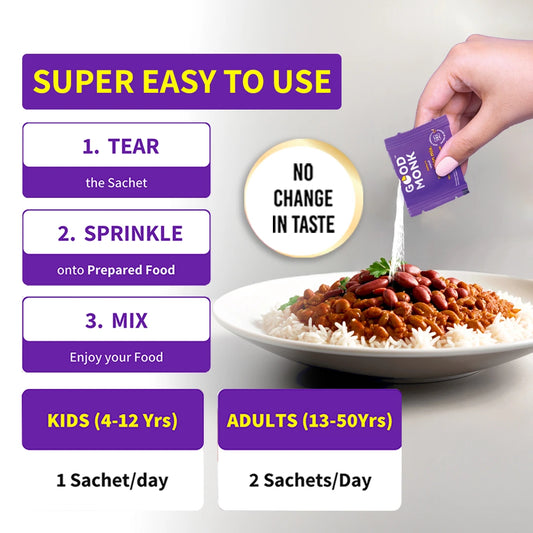
If you are consuming vegetarian protein options for building strength and immunity, you can also try out Good Monk’s immune booster to bridge any nutritional gaps.

Common Mistakes Vegetarians Make With Protein
Even with so many plant protein sources that are available today, so many people who follow a high-protein plant-based diet make some avoidable mistakes. Here are some common slip-ups that you can circle your way around to experience the maximum benefits from the best sources of plant protein;
-
Not eating enough protein
Many vegetarians underestimate how much protein-rich plants they need in a day. This leads to gaps in their diet.
-
Relying on just one protein source
Depending on only one plant-based protein food can limit your amino acid intake and reduce overall nutrition.
-
Not combining plant proteins for completeness
Smartly pairing different plant sources will let you experience the benefits of a complete amino acid profile that boosts strength and recovery. [3]
-
Eating too much processed or fatty plant protein
If you tend to over-rely on mock meats instead of the highest source of plant protein from whole foods, it tends to reduce the quality of your nutrition intake.
-
Ignoring portion sizes
If you eat very small portions, even the best plant-protein foods won't work for you the way you want.
-
Overlooking a balanced diet and other nutrients
When you put together a plant-based diet protein plant, make sure it includes fiber, antioxidants and micronutrients to embolden your overall health.
Frequently Asked Questions
1. What is the best plant-based protein for vegetarians?
Quinoa, lentils, beans, hemp hearts, etc., are some of the best plant protein sources as they're full of nutrients and provide essential amino acids as well.
2. Can I get enough protein without soy?
There are many plant-based protein sources like chickpeas, lentils, peas, quinoa, and chia seeds that work very well for supporting a high-protein plant-based diet without any soy. Furthermore, you can also use health mix powders and healthy powder drinks to bridge any gaps.
3. How do I calculate protein needs on a vegetarian diet?
Multiply your body weight in kilograms by 0.8 to 1.2 grams depending on activity levels. After that, spread this intake across meals using plant-based protein foods like beans, nuts, etc.
4. How to combine plant foods to get complete protein?
You can mix grains with legumes. For example, have rice with beans or quinoa with chickpeas to make sure that you're getting the best sources of plant protein with a complete amino acid profile.
References:
[1] https://en.wikipedia.org/wiki/Talk:Biological_value
[2] https://pmc.ncbi.nlm.nih.gov/articles/PMC11890674/
[3] https://pmc.ncbi.nlm.nih.gov/articles/PMC6723444/
Related articles:
- Understanding Nutrient Density
- What is a dietary supplement
- Nutrition-rich foods to include in your diet
- Incredible probiotic foods for gut health
- What is a balanced diet
About the Author
Written by the team at Good Monk—a clean and honest nutrition brand supported by doctors and food scientists. Every product is backed by thorough clinical evidence and clinically proven ingredients and made to help families eat better, feel better, and live healthier every day.
Popular Searches
Health Drink For Senior Citizens | Multivitamin With Probiotic | Fiber Powder | Milk Flavour Powder | Instant Energy Juice | Orange Energy Drink Powder | Immunity Boosting Powder | Weight Management Program | Weight Loss Supplement | Gut Health Supplements