
Key Takeaways
- Protein boosts women's energy levels, hormone balance, metabolism, and bone strength throughout every stage of life.
- Understanding women's protein requirements and identifying indicators of insufficient protein can help prevent fatigue, muscle loss, and reduced immunity.
- Including protein rich foods from both plant and animal sources, as well as convenient options such as a health mix powder, will help you manage your daily protein intake.
In This Article
Protein truly serves as the foundation of life. Beyond providing energy, it’s crucial for building and repairing muscles, tendons, skin, hair, and nails. The amino acids that make up protein are also necessary to produce hormones and neurotransmitters, which help regulate many vital processes in the body. This is why understanding protein benefits for women is critical.
There are 20 amino acids that form proteins, and nine of them are classified as essential meaning they must come from food since the body cannot make them on its own. Knowing the finest sources of protein can help women satisfy these essential needs.
At certain times, such as during illness, infancy, childhood, or pregnancy, the body also requires extra amino acids to support growth and recovery.
Protein Is Essential For Every Woman’s Health
Getting enough protein is key for women to build and maintain lean muscle, which in turn strengthens bones, boosts metabolism (helping the body burn more calories at rest and support a healthy weight), and enhances mobility and overall physical function. Since women naturally have less lean muscle mass than men, increasing muscle through proper nutrition and exercise can offer significant health benefits—particularly as they age.
Hormones regulate a wide range of bodily functions, including mood, metabolism, and reproductive health. For women, maintaining hormonal balance is essential for overall well-being and for preventing problems such as irregular menstrual cycles and mood fluctuations. Learn how protein supports hormone balance in women to maintain overall wellness.
Protein plays a crucial role in hormone production, as hormones are made from amino acids—the fundamental components of protein. When protein intake is too low, it can lead to fatigue, hair thinning, reduced muscle strength, and disruptions in hormonal balance, particularly involving estrogen and progesterone. This emphasizes the importance of protein for women to maintain energy and prevent fatigue.
During perimenopause and after menopause, declining estrogen levels raise the risk of osteoporosis and bone loss. Establishing consistent resistance or strength training habits early in adulthood, along with sufficient protein intake, helps women build and preserve muscle mass, which can protect against bone density loss during and after menopause. Sufficient protein intake is crucial, as inadequate protein is a major factor contributing to sarcopenia and the decline in strength among postmenopausal women. Protein also plays a key role in women’s metabolism and weight management.
Protein also plays a valuable role in supporting metabolism in two key ways. First, it promotes satiety—helping you feel fuller for longer—which can reduce cravings and prevent overeating, especially of less nutrient-dense foods like refined carbs and sugars. Second, because protein digests more slowly, pairing it with complex carbohydrates such as whole grains, vegetables, or starchy roots helps stabilize blood sugar levels. This steady energy balance may help lower the risk of developing type 2 diabetes and gestational diabetes during pregnancy.
Protein plays a crucial role in maintaining strong and healthy bones throughout a woman’s life. While calcium and vitamin D often get the most attention, protein makes up nearly half of the bone structure and provides the collagen framework that gives bones their flexibility and strength. Adequate protein intake helps improve calcium absorption, supports bone repair, and maintains muscle mass, which in turn protects bones by reducing the risk of falls and fractures. This becomes especially important after menopause, when lower estrogen levels can accelerate bone loss. Pairing sufficient protein with regular strength training and nutrients like calcium and vitamin D can significantly help preserve bone density and prevent osteoporosis, keeping women strong, mobile, and independent as they age. Maintaining a balanced protein intake for women with busy lifestyles can make achieving these benefits more practical.
Protein Requirements For Women
- Protein needs vary throughout different stages of life.
- According to the 2020 recommendations, the RDA for protein is 0.83 g per kilogram of body weight per day, while the EAR is 0.66 g/kg/day. However, for individuals whose diets are mainly cereal-based and contain lower-quality protein, the protein requirement increases to about 1 g/kg/day. (ICMR - NIN, 2020).
- To support functions like building muscle and maintaining strength, higher protein intakes are advised: 1.0 g/kg for low activity, 1.3 g/kg for moderate activity, and 1.6 g/kg for high physical activity levels.
- Pregnant and lactating women have increased protein requirements to support the growth and development of the baby as well as milk production. This emphasises the need to understand protein requirements for women during pregnancy.
- In older adults, the requirement often increases due to the risk of sarcopenia, or muscle loss. Additional factors such as chronic illnesses—like cancer, COPD, pressure ulcers—or recovery from surgery can also raise protein demands.
- Both the amount and the quality of protein determine its nutritional value, making it important to include high-quality sources—like lean meats and dairy—for proper growth, development, and overall health.
Warning Signals Of Low Protein Intake In Women
1. Persistent Fatigue and Low Energy
Protein is essential for maintaining steady blood sugar levels and supporting muscle repair. A deficiency can lead to tiredness, sluggishness, and difficulty recovering from physical activity.
2. Muscle Weakness or Loss
Protein is the building block of muscle. Women who don’t consume enough may notice loss of lean muscle mass, weaker strength, or difficulty performing everyday tasks.
3. Hair, Skin, and Nail Problems
Protein deficiency can cause brittle nails, hair thinning or hair loss, and dull or dry skin because keratin is the key structural protein in hair and nails, is not adequately produced.
4. Mood Changes and Brain Fog
Amino acids from protein help produce neurotransmitters like serotonin and dopamine. Low protein intake can result in mood swings, irritability, anxiety, or trouble concentrating.
5. Swelling or Fluid Retention (Edema)
Severe protein deficiency can lead to fluid buildup in tissues, often noticeable as swelling in the hands, feet, or ankles.
6. Slow Healing of Wounds
Protein is vital for cell repair and immune function. Cuts, bruises, or other injuries may take longer to heal when protein intake is insufficient.
7. Frequent Illness or Weakened Immunity
Low protein levels can compromise the immune system, making a woman more susceptible to infections and colds. Using an immunity boosting powder or nutrient-rich supplement can help women's overall immune health.

8. Irregular Menstrual Cycles or Hormonal Imbalance
Since hormones are made from amino acids, inadequate protein can affect estrogen and progesterone levels, potentially leading to irregular periods or fertility issues.
While understanding the effects of low protein intake is crucial, the next step is ensuring adequate protein consumption through diet. Meeting daily protein needs doesn’t have to be complicated; it involves selecting a variety of protein-rich foods that provide all essential amino acids while fitting individual preferences and dietary restrictions. Incorporating sources from both animal and plant
based options can help maintain muscle mass, support metabolic functions, and promote overall health. By focusing on balanced, protein-rich meals and snacks, one can effectively prevent deficiencies and support long-term wellness.
Protein Sources In The Diet

Animal Based Protein Sources
These foods are known as complete proteins because they provide all the essential amino acids your body needs:
- Meat – Includes options like chicken, turkey, beef, lamb, and pork
- Fish and Seafood – Examples include salmon, tuna, cod, sardines, and prawns
- Eggs – A highly nutritious and versatile source of protein
- Dairy – Milk, yogurt, cheese, and cottage cheese are all rich in protein
- Poultry – Such as chicken breast, sliced turkey, and duck
- Processed Meats – Foods like ham, bacon, and sausages can contribute protein but should be eaten in moderation due to high salt and fat levels
Plant-Based Protein Sources
While many plant proteins are incomplete, combining different sources can provide all essential amino acids:
- Legumes – Lentils, chickpeas, kidney beans, and black beans are excellent protein-rich options
- Soy-Based Foods – Tofu, tempeh, soy milk, and edamame are plant-based complete proteins
- Whole Grains – Foods such as quinoa (a complete protein), oats, brown rice, and bulgur contribute to daily protein needs
- Nuts and Seeds – Almonds, walnuts, chia seeds, flaxseeds, and sunflower seeds are great protein boosters
- Nut Butters – Peanut and almond butter are tasty and convenient protein options
- Vegetables (in smaller amounts) – Spinach, broccoli, and peas contain some protein
- Plant-Based Alternatives – Products like meat substitutes and plant-based protein powders can help meet protein goals, especially in vegetarian or vegan diets. Adding a fiber supplement alongside these sources can further help with digestion and overall health.

Conclusion
Protein is far more than just a nutrient—it’s a cornerstone of women’s health. From providing steady energy and supporting mental focus to maintaining hormonal balance and strengthening bones, protein plays a critical role at every stage of life. Ensuring adequate protein intake, combined with a balanced diet and regular physical activity, can help women feel energized, resilient, and strong. Even with a protein-rich diet, women may benefit from taking the best multivitamin for women to help with overall nutrient balance, immunity, and energy throughout the day. By prioritizing protein-rich foods in daily meals, women not only nourish their bodies but also invest in long-term health, vitality, and overall well-being.

Frequently Asked Questions (FAQs)
1. How much protein do women need daily for strong bones?
Women typically need around 0.83 grams of protein per kilogram of body weight every day but this requirement increases by 1 to 1.6 grams per kg per day according to the activity level, age, and health needs. Taking care of protein intake for women is very important because protein forms nearly half of our bone structure and it also plays a defining role in improving calcium absorption. If a woman is going through menopause, pregnancy, or periods of high physical activity, protein requirements for women can rise even more to protect bone density and prevent osteoporosis.
2. How does protein help support hair, skin, and nail health in women?
Protein is responsible for producing keratin, collagen, and elastin, which are the three key structural proteins for keeping your hair thick, skin firm, and nails strong. When women eat enough protein foods, their body can repair tissues faster, maintain elasticity, and reduce breakage. Low intake can lead to the appearance of classic signs of low protein, like hair thinning, brittle nails, and dull skin.
3. Can protein help manage blood sugar levels in women?
Protein plays an important role in stabilising blood glucose. It digests slowly, helping prevent sugar spikes and sudden crashes. Pairing protein rich food with whole grains or vegetables supports balanced insulin response and gives long-lasting energy.
4. How amino acids from protein regulate hormones in women?
Hormones like estrogen, progesterone, and serotonin are made from amino acids; the building blocks of protein. Without enough protein intake for women, the body struggles to maintain hormone balance, which can lead to mood swings, irregular menstrual cycles, fatigue, and brain fog.
5. Is plant protein as effective as animal protein for women?
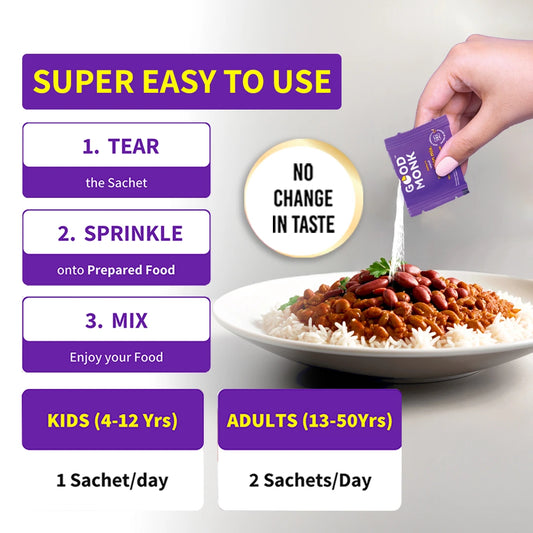
While many plant sources are not complete proteins on their own, combining foods like legumes, whole grains, nuts, and seeds provides all essential amino acids. Products like plant based protein supplements (Good Monk Plant Protein for Rotis) can further bridge the gap.
6. How can women increase their protein intake daily?
Women can boost daily protein intake by including protein rich food in every meal. Moreover, pairing meals with plant-based protein options or adding protein mixes to rotis, smoothies, or snacks can make it easier to meet protein requirements for women.
7. When should women consider protein supplements?
Women can consider supplements if they are experiencing effects of low protein intake in women and they are struggling to meet daily protein requirements due to low appetite, busy routine, pregnancy, workout, etc.
References-
- https://www.bigmusclesnutrition.com/blogs/news/hormone-health-and-whey-protein every-woman-should-know?srsltid=AfmBOoqIFzdI7SsuKVYS1yZmHopk1CzXpBUVVJmGmYedvKHEzeIE pRyz
- https://www.ucihealth.org/blog/2024/05/protein-and-womens-health
- https://ssihi.uci.edu/2024/02/29/nutrition-for-womens-health-focus-on-protein/
- https://www.nin.res.in/rdabook/brief_note.pdf
- https://www.tandfonline.com/doi/full/10.2147/IJWH.S340537#d1e116
About the author:
This blog was written by Palak T Punamiya, Nutritionist at Good Monk - a clean and honest nutrition brand supported by doctors and food scientists. Every product is backed by thorough clinical evidence and clinically proven ingredients and made to help families eat better, feel better, and live healthier every day.
Disclaimer: The content of this blog reflects the author’s summary and interpretation of the topic. It is intended for informational purposes only and should not be considered a substitute for professional advice. The views expressed are not personal opinions but are based on existing research or expert insights, where referenced.
Popular Searches
Dietary Supplement | Health Drink For Senior Citizens | Weight Management Powder | Pineapple Powder | Family Health Nutrition Combo| Orange Powder | Milk Powder For Kids | Instant Drink Mix | Weight Management Program| Orange Fruit Drink | Healthy Powder Drinks
Popular Blogs
Top 20 Zinc Rich Foods | 170+ Best Health, Wellness & Fitness Quotes | 10 Best Foods That Increase Height Naturally At Any Age | 10 Best Vitamin D Rich Foods | Top Energy-Boosting Foods to Keep You Active All Day | Best Healthy Snacks to Boost Energy and Brain Function |