




Key Takeaways
- Junk food is high in sugar, salt, and unhealthy fats but low in essential nutrients, which is why we should avoid junk food for long-term health.
- The health effects of fast food and junk food include obesity, poor digestion, low energy, heart issues, and increased risk of lifestyle diseases.
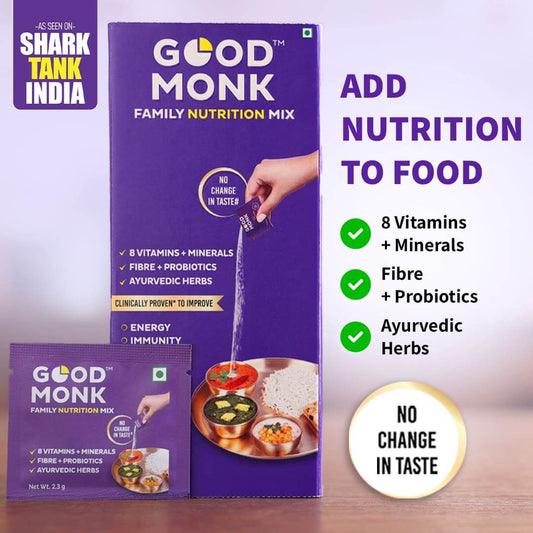
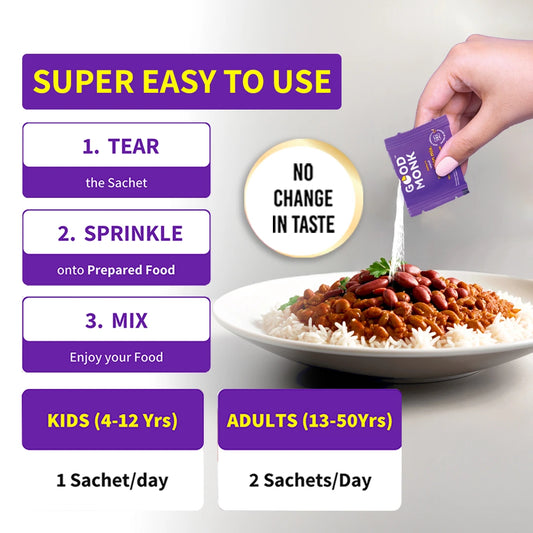
- Understanding fast food vs junk food helps make better choices. Learn how to avoid junk food through meal planning, proper sleep, stress management, healthy snacking and by adding a Nutrition mix powder to your routine.
- Switching to healthy alternatives and nutrient-rich foods makes it easier to say no to unhealthy food without feeling deprived.
In This Article
What Is Junk Food? How Is It Different From Fast Food?
The Junk Food vs. Fast Food Comparison Table
The 10 Health-Based Reasons To Avoid Junk Food
How to Control Junk Food Cravings?
Healthy Alternatives to Junk Food You Can Switch To
Introduction
Junk food basically refers to the snacks or meals that are high in sugar, salt, and fats that are bad for our health and have a very low nutritional value. We often see that kids love junk food due to its strong taste and the immediate pleasure the taste brings.
Chips, cookies, candies, and fast food are some of the examples of junk foods, which are actually quite popular among kids and adults. Due to fast-paced lifestyles, there’s a significant increase in the number of people choosing fast food and junk food.
But junk food has a plethora of disadvantages for your health. Along with being full of empty calories that lead to obesity, junk food causes malnutrition, cardiovascular diseases, liver issues, and digestive problems. Thankfully, you can say no to junk food and embrace a healthy lifestyle with just a few simple habit changes. In this blog, we have covered everything you need to know about the adverse effects of junk food and how to control your junk food cravings.
What Is Junk Food? How Is It Different From Fast Food?
Junk food refers to foods that are high in calories but low in nutritional value. They are usually rich in sugar, salt, unhealthy fats, and additives, while offering very little protein, fibre, vitamins, or minerals. All the burgers, hot dogs, pizzas, chips, and fried food we see being sold at the malls and supermarkets - most of them are junk food.
The negative effects of eating junk food daily go beyond just physical health because it damages energy levels and digestion and affects how we feel.
Junk Food vs. Fast Food
Before we understand what are the health effects of fast food and junk food, let us see the difference between the two.
Fast food vs Junk food:
|
Aspect |
Junk Food |
Fast Food |
|
Definition |
Ready-to-eat, ultra-processed items with high sugar, salt, and fats. |
Meals are prepared quickly for immediate consumption, usually sold at chains. |
|
Main reason people eat it |
Often eaten for taste, cravings, or emotional comfort. |
Convenience and lack of time |
|
Common Examples |
Chips, soft drinks, candy bars, instant noodles. |
Tacos, fried chicken, wraps, and pizzas |
|
Health Risks |
Strongly associated with obesity, diabetes, and poor digestion. |
Depends on the choice; it can be okay if eaten in moderation. |
|
Preparation |
Factory-made, pre-packaged |
Cooked at outlets with pre-made ingredients. |
|
Cost Factor |
Very affordable, often priced to encourage bulk buying. |
Slightly pricier than junk food, but still cheap compared to fresh, well-cooked meals. |
The 10 Health-Based Reasons To Avoid Junk Food

Understanding the harmful effects of junk food and the health risks it can cause is the first step towards making healthier food choices. Here’s why you should say no to junk food.
1. Increases Risk of Obesity
Consuming snacks that are high in sugar and fat makes weight gain more likely. Over 390 million children aged between 5–19 years were overweight in 2022.
Childhood obesity is rising globally, and understanding how junk food affects children's health is key. The sugary and fatty content not only triggers overeating but also sets the stage for lifelong weight issues.
2. Spikes Blood Sugar Levels
A candy bar or sugary soda causes a rapid blood sugar spike followed by a crash. The empty calories in junk food can increase the risk of insulin resistance. Instead of high sugary drinks, consider switching to instant energy juice with 50% less sugar, vitamins and minerals.

3. Damages Heart Health
Even occasional junk indulgence adds up. Processed foods with hydrogenated oils and sodium contribute to health problems caused by junk food, like high blood pressure and increased heart disease risk. Avoiding these items can lead to significant heart health improvement.
4. Harms Digestive Health
Low-fiber processed foods impair bowel movement and gut flora. Junk foods can disturb your digestive health. To heal your already harmed gut environment, add a gut health supplement or try incorporating the best fiber supplement to support digestion and prevent bloating and constipation.

5. Weakens the Immune System
Junk food lacks vital micronutrients that support immune function. Low vitamin intake weakens defence mechanisms, especially in older adults. You should try a multivitamin for senior citizens and book a nutrition consultation to assess your immune support strategy.
6. Accelerates Ageing
Consuming junk food that is high in trans fats and added sugars can damage cells and contribute to premature ageing, such as dull skin and loss of vitality. Reducing these foods from your diet and substituting them with nutrient-rich alternatives will help protect your health and slow down age-related damage.
7. Affects Brain Function & Mood
Additives in junk food impair focus and emotional balance. Studies show a significant impact on serotonin regulation[2]. Poor diet quality is linked to the junk food impact on mental health, especially in children, teens, and students.
8. Increases Cancer Risk
Many processed items are full of nitrates and artificial preservatives. Long-term exposure can promote abnormal cell growth [3]. If you’re concerned about long-term health risks like colorectal or stomach cancer, don’t eat junk food regularly. Opt for home-cooked meals with fresh, whole ingredients.
9. Leads to Poor Bone Health
Sodas with phosphoric acid and salty snacks lead to calcium depletion. This weakens bones over time. To reduce risk, avoid unhealthy food that strips nutrients and aim for whole foods rich in calcium, magnesium, and vitamin D.
10. Causes Energy Crashes & Fatigue
Junk food effects often include rapid spikes and crashes in blood sugar, which can leave you feeling tired and sluggish. To avoid this energy roller coaster, focus on nutrient-dense foods to help support sustained energy throughout the day.
Check out our in-depth comparison of healthy food vs junk food, and also read about healthy food for heart
How to Control Junk Food Cravings?
We all know why we should not eat junk food, but we don’t know how to avoid junk food. Unless you don’t have a kitchen cabinet full of healthy alternatives to junk food, you will keep returning to junk foods whenever those cravings hit! So, here are a few general habits and tips that will help you say no to unhealthy food:
- Eat on time: Skipping meals leads to extreme hunger, making it harder to avoid junk food later in the day.
- Start your day with protein: Eggs, paneer, curd, or dals at breakfast help reduce sugar cravings. Add plant-based protein powder to your rotis to add protein without changing your daily diet.
- Stay hydrated: Thirst is often mistaken for hunger. The best way to detox after eating junk food is to drink enough water.
- Do not keep junk food at home: To avoid junk food, make sure you don’t have junk food within reach, so you are less likely to eat it.
- Manage your stress: Stress increases cravings for fast food and junk food. If you crave sweets or junk food, manage your stress. Short walks, stretching, or breathing exercises help regulate appetite.
- Sleep well: Poor sleep increases cravings and weakens food control. Quality rest helps you naturally avoid junk food.
- Eat mindfully: Avoid eating while scrolling or watching TV. Paying attention to your food helps reduce overeating.
- Plan for cravings: Keep healthy snacks ready so you are not forced to choose junk food when hunger strikes.
You can follow these tips to understand your triggers and avoid junk food without succumbing to your cravings.

Healthy Alternatives to Junk Food You Can Switch To
If you are hungry between meals, choosing the right substitutes can help you say no to unhealthy food without feeling deprived.
|
Instead of chips or namkeen |
|
|
Instead of sugary biscuits or sweets |
|
|
Instead of burgers or pizza |
|
|
Instead of soft drinks or packaged juices |
|
Saying no to junk food doesn’t mean giving up on taste or enjoyment. It simply means making more mindful choices that support your health in the long run. While an occasional indulgence is fine, regularly relying on junk food can slowly affect your energy, digestion, immunity, and overall well-being.
The good news is that small, consistent changes go a long way. Eating balanced meals, planning smarter snacks, managing cravings, and choosing nutrient-rich alternatives can help you reduce your dependence on junk food without feeling restricted. Over time, these habits lead to better energy levels, improved digestion, and a healthier lifestyle. Good Monk offers you a great way to start your journey towards a healthier lifestyle.
FAQs On Junk Food Effects:
1. Is it okay to eat junk food occasionally?
Yes, you may enjoy it in moderation. Always remember the 80-20 rule. You can eat junk food 20% of the time if you eat healthy, whole foods 80% of the time.
2. What are the best healthy snacks?
Here are some healthy snacks:
- Fresh fruits
- Veggies with hummus
- Veggie sandwiches
- Fruit drinks (without sugar)
- A glass of milk with milk flavouring powder
- Roasted chana chaat
- Peanut chaat
- Handful of nuts & seeds
- Apple slices with peanut butter
These are all great healthy alternatives to junk food.
3. How do cravings for junk food stop?
You cannot say no to junk food overnight. If you cut off junk food instantly, you might give in to the cravings sooner or later. Here are a few things you can do to reduce junk food cravings:
- You should stay hydrated
- Eat protein in every meal
- Do not store junk food in the house
- Keep healthy homemade snacks like roasted chana chaat easily available
- Sleep well
This is how you can reduce junk food cravings.
4. Why are junk foods unhealthy?
Junk foods are high in sugar, salt, and unhealthy fats while being low in essential nutrients. Regular consumption can lead to weight gain, poor digestion, low energy levels, and long-term health issues like diabetes and heart problems. They also disturb hunger hormones, increasing cravings and overeating.
5. How to avoid junk food daily?
Here’s how to avoid junk food daily:
- Eat balanced meals at regular intervals
- Learn to say no to junk food.
- Plan your meals
- Choose smarter snacks. Keep healthy snacks handy
- Include enough protein and fibre to stay full
- Drink enough water
6. How does junk food affect children’s health?
Junk food can negatively impact children’s growth and overall health. It is high in sugar, salt, and unhealthy fats, which can lead to poor immunity, weight gain, dental problems, low concentration, and frequent mood swings.
Regular consumption may also affect digestion in the long term and reduce intake of essential nutrients needed for physical and brain development.
7. Can avoiding junk food improve energy and digestion?
Yes, avoiding junk food has proven to noticeably improve energy levels and digestion. Whole, balanced meals provide steady energy, while high-fibre foods support gut health and reduce bloating, acidity, and constipation.
Cutting down on junk food also helps stabilise blood sugar, preventing energy crashes that come with sugary junk food.
8. How long does it take to see health benefits after stopping junk food?
There are several health benefits that you can see after stopping junk food.
Benefits you will notice within 2-3 days:
- Reduced bloating
- Better digestion
Benefits you will notice in 1-2 weeks:
- Improved energy
- Better sleep
- Reduced cravings
Long-term benefits:
- Healthier weight
- Improved skin
- Better metabolic health
This is why you should say no to unhealthy food.
About the Author
Written by the team at Good Monk, a clean and honest nutrition brand supported by doctors and food scientists. Every product is backed by clinical studies and made to help families eat better, feel better, and live healthier every day.
Popular Searches
Old Age Supplements | Mixed Berry Powder | Strawberry Flavoured Milk Powder | Plant Protein Powder | Weight Management Powder | Orange Drink Powder |
Popular Blogs