


![16 Recommended Vitamin B9 Foods [Folic Acid/Folate] for 2024](http://www.goodmonk.in/cdn/shop/articles/10_Recommended_Vitamin_B9_Foods_Folic_AcidFolate_for_2024_3_92657066-2ffe-40d7-99a0-9b5661420197.jpg?v=1772530675&width=1100)
Key Takeaways
- Incorporating folate-rich foods and health supplements into your daily meals is the best way to prevent vitamin B9 deficiency.
- Folic acid foods are especially vital during pregnancy and for long-term wellness. When you consume folate-rich Indian foods such as legumes, citrus foods, etc., you can ensure optimal nutrition and long-term well-being.

In This Article
What Is Vitamin B9 Function And Its Importance?
Signs of Vitamin B9 Deficiency
Introduction
Folate, or vitamin B9, is essential for cell growth, red blood cell creation, and DNA synthesis. Since folate is a water-soluble vitamin and the body cannot store vast amounts of it, it is crucial to consume meals high in folate regularly. A folate shortage can result in anaemia, which is especially dangerous for expectant mothers because folate is linked to neural tube abnormalities in the developing foetus. Inadequate folate levels have also been connected to higher risks of heart disease, some types of cancer, and cognitive decline. [1]
One should include foods containing B9 in their diet since folate is essential for overall health and plays a role in preventing numerous health concerns. In this blog, we'll look at 5+ foods that are great sources of vitamin B9 to ensure you get the daily recommended amount of folate and stay in good health.
What Is Vitamin B9 Function And Its Importance?
Vitamin B9 is a water-soluble B vitamin essential for many body processes. It is sometimes referred to as folate or folic acid. Its role in red blood cell production, cell division, and DNA synthesis makes it significant. Folate is particularly crucial during rapid growth and development, including pregnancy and infancy, as it is required to create and maintain new cells. Preventing neural tube abnormalities in developing foetuses is one of vitamin B9's most essential functions. [2]

Recommended Amounts
Different age groups require different amounts of vitamin B9 foods. Take a look at this chart to know more [3];
|
Group |
Recommended Daily Intake of Folate (mcg) |
Why It Matters |
|
Infants (0–12 months) |
65–80 mcg |
Crucial for growth and brain development |
|
Children (1–13 years) |
150–300 mcg |
Supports active growth years |
|
Adults (14+ years) |
400 mcg |
Maintains healthy cells and energy |
|
Pregnant Women |
600 mcg |
Prevents neural tube defects & supports fetal growth |
|
Lactating Women |
500 mcg |
Supports both mother and baby post-delivery |
17 Natural Vitamin B9 Sources
Here are the details of some of the top-notch B9-rich food spruces, including fruits, vegetables and plant-based sources that you must include in your diet:
Vitamin B9 Fruits And Vegetables
1. Broccoli
Broccoli is a cruciferous vegetable that is an excellent source of folate and other vital nutrients.
2. Citrus Fruits
Lemons, oranges, and grapefruits are citrus fruits high in folate and provide a nutritious and refreshing snack for our bodies. You can also pair your routine with energy drink powder from Good Monk to enjoy a convenient and flavourful way to support your daily energy needs.
3. Spinach
This leafy green vegetable is an excellent source of iron and is packed with nutrients like folate.
4. Brussels Sprouts
These mini cabbages are loaded with folate and make any meal more nutritious by simply adding it.
5. Asparagus
This spring vegetable has a great taste and provides a good amount of folate to our bodies.
6. Avocado
This folate rich fruit is creamy and has been in vogue with fitness enthusiasts forever! As a fun fact, one avocado can give you nearly 20% of your daily folate needs. While also giving healthy fats that support your heart health.
7. Papaya
This sweet tropical fruit that is vitamin b9 foods contains about 60 mcg of B9 in it per cup, and is also rich in vitamins A and C, which help keep your skin healthy and boost your immune system, so you should consume it regularly in your weekly diet.
8. Bananas
Though bananas are famous for their potassium content they are also foods that contain folic acid, and a medium banana has about 24 mcg of B9. They're convenient to eat and a good vitamin b9 source snack.
9. Beets
These are very colourful and very nutritious vegetable, and by having just one cup of raw beets you can get 148 mcg of folate. So, eating folic acid foods beets can help you with heart health and improve blood flow because they have a high nitrate content, and also provide other skin and health benefits for you.
Animal-Based Sources Of Vitamin B9
10. Eggs
Eggs contain a small amount of B9 in their yolk. Compared to plant-based sources, the B9 content in eggs is quite low.
11. Liver
Organ meats like liver contain moderate levels of B9, making them a good source for those who consume animal products.
12. Chicken
Chicken or breast meat is known to have some amount of folate. It is not as rich as liver, but a serving of 100 mg of cooked chicken can provide 2% of the daily recommended intake.
13. Seafood
Seafood like shellfish and salmon contains a small amount of B9, but more is needed to fulfill the requirement.
14. Dairy Products
Products like cheese, milk and yoghurt contain moderate amounts of folate. For example, a cup of milk contains 12 mg of B9, contributing to almost 3% of the daily recommended intake.
Legumes, Nuts & Seeds
15. Legumes
Legumes, which generally include beans, lentils, and peas have a lot of protein, folic acid and fiber, making them a very healthy choice to generally include in your daily diet. Eating different varieties of cooked lentils regularly or every day, can give you about 180 mcg of folate, which is important for your overall health.
16. Nuts & Seeds
Nuts and seeds, like sunflower seeds and almonds, are good folic acid-rich foods and by eating just a small handful can provide a nice boost to your daily intake. They also contain healthy fats that are good for your heart.
17. Wheat germ
Wheat germ is folate rich foods with the outer part of the wheat kernel and is filled with many important nutrients, especially B9, and eating just two tablespoons can provide about 51 mcg of B9, which can be added to smoothies or cereals.
Thus, animal-based B9 Folate sources are not as concentrated as plant-based sources. So, individuals who follow vegan or a vegetarian diets should focus on a folate-rich plant-based diet to meet nutrition requirements.
Folic Acid Foods Chart
Take a look at this folic acid food chart that can help you in your meal planning.
|
Food Item |
Serving Size |
Folate (mcg) |
% of Daily Value |
|
Spinach (cooked) |
1 cup |
263 mcg |
65% |
|
Lentils (cooked) |
1 cup |
180 mcg |
45% |
|
Beets (raw) |
1 cup |
148 mcg |
37% |
|
Avocado |
1 whole |
90 mcg |
22% |
|
Papaya |
1 cup |
60 mcg |
15% |
|
Banana |
1 medium |
24 mcg |
6% |
|
Broccoli (steamed) |
1 cup |
57 mcg |
14% |
|
Egg (boiled) |
1 large |
22 mcg |
5% |
|
Milk |
1 cup |
12 mcg |
3% |

Signs of Vitamin B9 Deficiency
If you miss out on folate-rich foods, it can show up in ways that you might not have even expected [4]
- Persistent fatigue or low energy is a very common sign of vitamin B9 deficiency.
- Pale skin or anemia can also be attributed to a lack of consumption of foods high in B9.
- Irritability or mood swings
- Shortness of breath
- Slow growth in children is also due to less consumption of folate-rich foods.
- Poor concentration or memory lapses
- Tingling sensation in hands and feet is a classic symptom of vitamin B9 deficiency.
- Folic acid foods for pregnancy are very important. If your folate levels are not in check, it can lead to complications in pregnancy.
Read more about folic acid deficiency causes, symptoms and treatment
Can You Meet Daily Vitamin B9 Needs Through Diet Alone?
In most cases, you can meet your daily vitamin B9 requirements through a well-planned diet. Folate is the natural form of vitamin B9 and it is abundant in foods rich in B9 such as leafy green vegetables, legumes, whole grains, nuts, seeds, fruits, and vegetables. If your dietary pattern includes folate rich foods in India like spinach, lentils, chickpeas, papaya, bananas, beets, and citrus fruits, it will help you reach the recommended intake.
However, during pregnancy, lactation, or health conditions affecting absorption, your folate needs increase and therefore you might require fortified foods or supplements alongside a nourishing diet.
Common Mistakes That Reduce Vitamin B9 Intake
Even when people include vitamin B9 rich foods in their meals, these habits can unknowingly reduce folate intake or absorption.
1. Overcooking Vegetables
Folate is water-soluble and heat-sensitive. Excessive boiling of folic acid in fruit and vegetables like spinach or broccoli can significantly reduce their B9 content.
2. Relying On Limited Food Variety
Eating the same meals repeatedly may reduce intake of diverse B9 food sources. Folate comes from multiple groups: vegetables, legumes, fruits, nuts, and seeds. Therefore, including a variety of folic acid rich seeds and fruits is key.
3. Skipping Fruits And Seeds
Many people underestimate folic acid rich fruits and seeds. Consuming fruits with folic acid like papaya, oranges, bananas, and avocados, along with folic acid rich seeds such as sunflower seeds, contributes to daily intake.
4. Low Intake Of Legumes And Whole Grains
Legumes are among the most potent foods containing B9. Avoiding lentils, beans, and chickpeas can lower folate intake, especially in vegetarian diets.
5. Poor Absorption
Excessive alcohol intake, digestive disorders, or chronic stress can interfere with folate absorption.
Conclusion
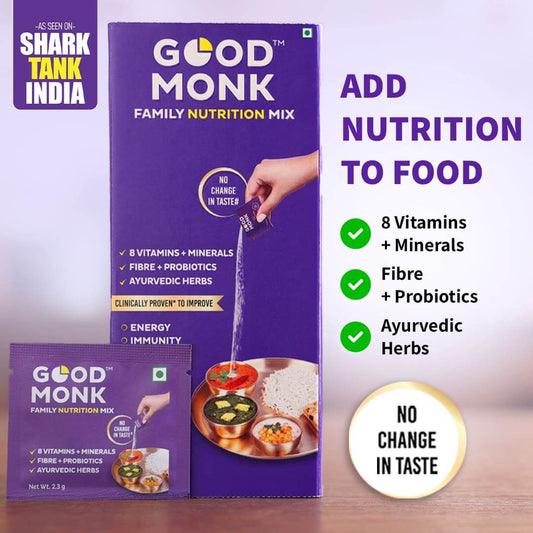
Maintaining general health and well-being requires knowing the value of vitamin B9 and including foods high in folate. These seven B9-rich foods offer many sources of this vital nutrient, ranging from citrus fruits and fortified cereals to leafy greens, legumes, and more. Make folate-rich foods a priority in your meals and take control of your health today. Investigate the variety of foods high in B9 on Good Monk, including Family Nutrition Mix and Healthy 50+ Nutrition Mix for Seniors, and start providing your body with the necessary nutrients for a healthier future!

FAQs on Vitamin B9 Foods
1. Are there any recommended daily intake levels for Vitamin B9?
Yes, generally the recommended daily intake for adults is 300mcg of vitamin B9 or folate, and pregnant women should get at least 600 mcg to support fetal development and prevent any problems.
2. How can I ensure I'm getting enough Vitamin B9 in my diet?
To get enough vitamin B9 function, you should try to include and eat a variety of foods like leafy greens, legumes, nuts, seeds, and fortified grains in your daily or regular diet. You can also consider having some supplements if needed, especially during pregnancy.
3. What are the symptoms of Vitamin B9 deficiency?
Vitamin B9 deficiency can lead to and cause a lot of tiredness, weakness, mood changes, and slow growth in case of pregnancy. It can also cause anemia and problems in pregnancy if not treated or supplemented properly with vitamin b9 rich foods.
4. How can I increase the absorption of Vitamin B9 from food?
To improve absorption of vitamin b9 rich foods, you can try to eat it with vitamin C-rich foods like citrus fruits. Cooking can also help release more folate from foods like vegetables and legumes so you can do that too.
5. What are the best vitamin B9 foods for vegetarians in India?
If you are looking for folate-rich Indian foods for vegetarians, some of the best options are spinach, lentils, chickpeas, beets, papaya, and wheat germ.
6. Which fruits are high in folic acid?
The best folic acid foods are oranges, papaya, bananas, and avocados.
7. Can cooking reduce folate content in foods?
Folate is sensitive to heat and water [5]. When you steam vegetables like spinach or broccoli, it is definitely better than boiling them as it helps retain more folate. As a pro tip, try pairing your folate-rich foods with vitamin C-rich foods to boost absorption by your body.
8. Are seeds a good source of vitamin B9?
Yes. Folic acid rich seeds such as sunflower seeds, flaxseeds, and sesame seeds provide folate along with healthy fats that support nutrient absorption.
9. Which foods high in folate B9 are recommended during pregnancy?
During pregnancy, foods high in folate options include leafy greens (spinach), lentils, chickpeas, broccoli, beets, citrus fruits, papaya, avocados, and fortified grains. Many doctors also advise supplementation alongside vitamin B9 rich foods to meet increased needs.
10. Can vitamin B9 deficiency occur even with a healthy diet?
Yes, it can. Despite eating foods rich in B9, deficiency may still occur due to poor absorption, increased requirements (pregnancy), certain medications, or gut health issues. In such cases, dietary intake may need to be supported with fortified foods or supplements
Related articles
- How Vitamin B12 boosts your energy
- Best B12 Vitamin-rich foods in India
- Top Vitamin B9 foods
- Top 10 essential vitamins for men
About the Author
Written by the team at Good Monk—a clean and honest nutrition brand supported by doctors and food scientists. Every product is backed by thorough clinical evidence and clinically proven ingredients and made to help families eat better, feel better, and live healthier every day.
Popular Searches
Fiber Powder | Milk Flavour Powder | Instant Energy Juice | Orange Energy Drink Powder | Immunity Boosting Powder | Weight Management Program | Weight Loss Supplement | Mango Powder | Probiotics for Gut Health |