




In This Article
- Key Takeaways
- What Are High Calorie Foods and Why You Need Them
- Are High-Calorie Vegetarian Foods Healthy?
- Top 7 High-Calorie Vegetarian Foods
- High-Calorie Foods for Vegans
- Who Should Focus On High-Calorie Foods?
- Common Myths & Misconceptions
- Frequently Asked Questions
Key Takeaways
- Not all high calorie foods are unhealthy. The right ones actually improve nutrition.
- Everyday Indian foods like nuts, seeds, legumes, and healthy oils are great high-calorie vegetarian foods.
- Small additions of high calorie vegetarian foods to your daily meals can increase calorie intake without increasing portion size.
- A high calorie diet works best when tailored to your lifestyle and needs.
- Adding the best probiotics for gut health can help improve digestion and make it easier for your body to absorb nutrients from the high calorie foods.

Introduction
When you hear high calorie foods, unhealthy is the only word that immediately comes to mind.
And to be fair that’s not completely wrong. Fried snacks and sugary foods are high in calories, but so are nuts, seeds and healthy oils.
The difference is nutrition. The right high calorie foods fuel your body instead of filling it.
What Are High Calorie Foods and Why You Need Them
High calorie foods are the foods that give you more energy in smaller portions. This is called calorie density. For example, a handful of peanuts will give you far more calories than a bowl of vegetables, even if the portion looks smaller.
These foods are especially useful if you’re trying to gain weight, build strength or increase energy levels. Athletes, people with fast metabolism, or anyone struggling with low appetite often benefit the most from adding high calorie healthy foods to their diet.
That said, calories needed for every body are different. Your body type, activity level and daily routine are all accountable. What works for one person may not work for another, so it is important to adjust your intake according to your body needs.
Are High-Calorie Vegetarian Foods Healthy?
Yes. But only if you choose the right ones.
Not all calories are equal. 100 calories of potato chips (about 12 chips) and 100 calories of almonds (12-14 nuts) may sit in the same calorie range. But your body handles them very differently.
A packet of chips only gives you empty calories that don’t keep you full for long. On the other hand, almonds give you protein, healthy fats and nutrients your body actually needs.
So, sticking to real, whole foods is the correct approach. When your meals include nuts, seeds, and whole grains you’re naturally getting high-quality, high calorie vegetarian foods.
You want the right mix of macronutrients like carbs, proteins and fats along with micronutrients like vitamins and minerals working together. That’s what good high-calorie healthy foods do. They don’t just fill you up, they actually provide the nutrition your body needs along with the calories.
Top 7 High-Calorie Vegetarian Foods
Let’s look at the top 7 high calorie vegetarian foods you can easily add to your daily meals.
Food #1: Nuts and Nut Butters
Nuts are probably the most convenient high calorie vegetarian foods you can add to your daily diet. No cooking or prepping required, just grab and eat.
Calorie Content & Nutritional Value
Almonds, peanuts, and cashews give you roughly 160-200 calories per ounce (28.35 gms), which makes them one of the healthiest calorie dense foods for weight gain.
When it comes to nut butters, peanut butter is slightly higher in protein. While almond butter gives you more vitamin E. Both are great sources of high calorie foods for vegans.
How to Incorporate Into Your Diet
- Eat them directly as snacks between meals
- Add a handful to smoothies or breakfast bowls
- Use nut butter as a spread for toast or roti
- Toss them in salads for extra crunch
- Make a homemade trail mix with nuts, seeds, and a few raisins.
Pro Tips for Maximum Benefits
A couple of things to keep in mind
- Choose raw or dry roasted nuts without added oils or salts
- Keep portions in check. They are healthy, but are a calorie dense food for weight gain
Food #2: Avocados
Avocados have suddenly become quite popular in India. What used to feel like a “fancy” ingredient is now a part of many Indian households.
Nutritional Powerhouse
One avocado gives you around 240 calories, which is why it shows up in the lists of most high calorie foods.
Most of these calories come from monounsaturated fats, the kind that your body actually benefits from. It also is rich in potassium, vitamin E, and folate, making it a solid mix of macros and micronutrients.
Creative Ways to Eat Avocados
Most people stop at guacamole or toast, but they are more ways to eat avocado
- Blend it into smoothies for a creamy texture
- Add to deserts like chocolate mousse
- Try stuffed avocados with beans, corn or paneer
Selecting and Storing Tips
- A ripe avocado should feel slightly soft when you press it
- If it’s too hard, let it sit at room temperature for a few days to ripen
- Once open, spread some lemon juice to prevent browning. Wrap it in cling film and refrigerate
Food #3: Coconut Oil and Coconut Products
Coconut might feel like a regular ingredient in Indian cuisine, but it’s actually one of the most effective ways to add calories to your diet.
Why Coconut Is Calorie Dense
A tablespoon of coconut oil gives about 120 calories. A major reason here is that coconuts are naturally rich in MCT fats or medium-chian triglycerides. These fats are easily digested and quickly used by the body to produce energy. Thus making coconut oil a smart addition to high calorie healthy foods.
And, it's not just coconut oil. Coconut milk and shredded coconut are equally useful if you want variety while still increasing your calorie intake.
How to add Coconut to your diet Cooking & Non-Cooking Uses
- Coconut is great in curries and stir-fries
- Coconut milk can be added to smoothies or shakes
- Shredded coconut works well in baking, laddoos or energy balls with seeds and nuts.
- Toasted coconut flakes is an excellent topping for salads too
Food #4: Seeds (Sunflower, Pumpkin, Hemp, Flax, Chia)
Seeds are a powerhouse of nutrients.
Seed-by-Seed Calorie Comparison
Most seeds are calorie-dense even in small amounts.
- Sunflower seeds and pumpkin seeds are slightly higher in calories, and great for snacking. Sunflower seeds have ~160-180 calories per ounce, and pumpkin seeds have ~150-170 calories per ounce
- Hemp seeds are rich and soft, easy to mix in breakfast cereals or baking. Hemp seeds have ~160-180 calories per ounce
- Chia seeds and Flax seeds are highly nutritious and calorie-dense foods. Chia seeds have ~130-15- calories per ounce, and flax seeds have ~140-160 calories per ounce.
Unique Benefits of Each Seed
Although their calorie range is quite close, each seed brings something different to the table.
- Flax, chia and hemp are rich in Omega-3 fatty acids
- Pumpkin and sunflower seeds give you zinc and magnesium
Easy Ways to Add Seeds to Every Meal
- Add toasted seeds to breakfast cereals, oats or yogurt
- Sprinkle over salads for extra crunch
- Use nut butters blended with seeds as an alternative to plain nut butter
- Soak or sprout seeds to improve their nutrient value
Food #5: Whole Grains (Quinoa, Oats, Brown Rice, Buckwheat)
Whole grains are already a part of Indian meals; the only difference is choosing the right whole grains while keeping your meals balanced.
Calorie Content & Complete Protein Benefits
Whole grains are a steady source of energy and part of many high calorie vegetarian foods in India.
- Quinoa has ~220 calories per cup and is also a complete protein
- Cooked Oats have ~150-170 calories per cup
- Brown rice gives you ~210-220 calories per cup
- Buckwheat or Kuttu (in Hindi) gives ~150-170 calories per cup
Quinoa stands out here because it gives you all the essential amino acids.
Why Whole Grains Are Better Than Refined
Whole grains are higher in fiber, keep you full for longer and support digestion. They also help manage blood sugar better compared to refined grains like white rice and maida.
To top it off, they come with more micronutrients like Vitamin B complex, iron, and magnesium. For anyone with an active lifestyle, they provide steady energy instead of quick energy spikes and crashes.
Food #6: Legumes & Pulses (Chickpeas, Lentils, Black Beans)
Indian meals already get this part right. Dals, chole, and rajma, the simple staples are some of the most reliable sources of high calorie vegetarian protein
Nutritional Density of Popular Legumes
Chickpeas (chole), black beans, kidney beans and lentils are rich in protein, fiber, and iron, making them both filling and nutrient dense.
Pairing them with vitamin C sources like lemon or tomatoes helps your body absorb iron better.
Versatile Preparation Ideas
- Hummus and dips
- Curries and dals, a staple high calorie food in vegetarian Indian cuisine
- Roasted snacks like chana
- Besan-based dishes like cheela or roti
- Sattu drink
Food #7: Plant-Based Oils & Condiments
This can be the simplest way to increase calories without changing what you eat.
Oil Varieties & Calorie Comparison
Most oils are calorie dense, giving you about 120 calories per tablespoon.
- Olive oil: great for salads and used raw
- Sesame oil: commonly used in Indian and Chinese cuisine
- Avocado oil: good for high heat cooking
Nutritional Differences
- Some oils like avocado oil handle high heat well, while other like olive oil are better for low heat or raw use
- Extra virgin olive oil is high in calories and contains potent antioxidants like Polyphenols, which are believed to provide anti-inflammatory and potential anticancer benefits. E
- In a high-calorie diet, the ideal ratio of omega-6 to omega-3 fats should be between 1:1 and 4:1. Getting this balance is important because too much omega-6 and too little omega-3 can lead to inflammation over time.
High-Calorie Foods for Vegans
If you follow a vegan diet, you’re already on the right track. Most of the foods we’ve covered, nuts, seeds, oils, legumes and whole grains are naturally high calorie foods for a vegan diet.
If you want to push your calorie intake a bit more, here are plenty of easy additions:
- Vegan chocolate (made with cacao butter)
- Plant-based milk, like coconut milk (~450 calories per can), almond milk or oat milk
- Nutritional yeast
- Vegan protein powders
- Tahini and seed butters
You can try out vegan weight-gain smoothie recipes. Blend in a plant based milk, nut butter, banana, toasted seeds and a scoop of vegan protein powder until smooth to make yourself a calorie dense food for weight gain.
Combine vegan proteins like tofu or tempeh with dal, brown rice or chickpeas, and you get a complete amino acids profile. This is key for meeting your protein needs in a vegan diet.
If you feel like your diet still has gaps, it can help to add a little extra support. Health supplements like the best multivitamin for men above 50 can help cover essential nutrients.

Who Should Focus On High-Calorie Foods?
A high-calorie diet isn’t for everyone. Here’s who should focus on a high-calorie foods:
- People trying to gain weight
- Individuals with low appetite or those with fast metabolism
- Athletes or people who do a lot of physical work
- Someone who is recovering from illness or surgery
Common Myths & Misconceptions
- Myth 1: "High-calorie foods are always unhealthy"
Not if they come from whole foods
- Myth 2: "You need animal products to gain weight"
Clearly not true. There are plenty of vegetarian and vegan proteins that can help muscle gain.
- Myth 3: "All fats should be avoided"
Healthy fats are essential for a balanced diet
- Myth 4: "More calories = faster weight gain (healthy way)"
Not quite true. Eating more will help you gain weight, but that doesn’t mean all weight gain is healthy
- Myth 5: "Vegetarian diets lack sufficient calories"
Plenty of high calorie foods for weight gain for vegetarians are available which are easily accessible and can be included in a regular diet.
Most high calorie vegetarian foods are already part of Indian kitchens. Nuts, seeds, lentils, whole grains and healthy oils can easily help you increase your calorie intake while improving your nutrition.
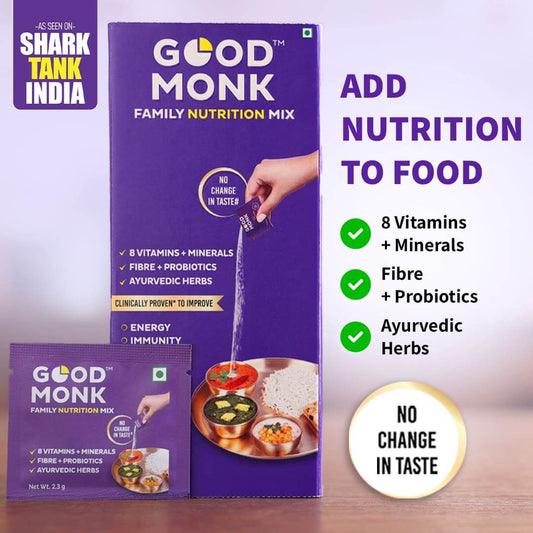
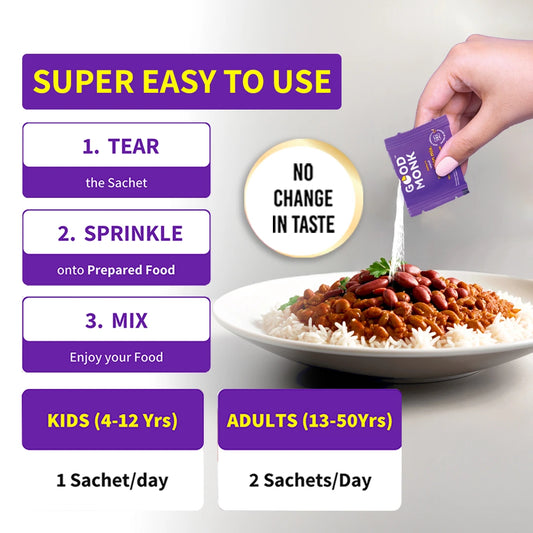
To make it even easier, adding simple dietary supplements to your routine can help bridge the nutritional gaps. Explore a variety of health supplements from Good Monk, from roti protein mix to the best milk supplements for kids.

Frequently Asked Questions
How quickly can I gain weight eating high-calorie vegetarian foods?
With consistently eating high calorie vegetarian food, you may start noticing changes in a few weeks or months.
Are high-calorie vegetarian foods suitable for weight loss?
Yes. When eaten in controlled portions, including a balanced diet and exercise, high calorie vegetarian foods are suitable for weight loss.
What's the difference between calorie-dense and nutrient-dense foods?
Calorie dense foods give you energy. Nutrient dense foods give vitamins and minerals. Some foods offer a good balance of both.
Are there any high-calorie vegetarian foods that are low in fat?
Yes. Whole grains and legumes are good options of high calorie vegetarian food that are low in fat.
How do I incorporate high-calorie vegetarian foods if I have a limited budget?
Stick to simple affordable staples like peanuts, rice, potatoes, lentils and other seasonal produce. You can also add small amounts of coconut oil or ghee to increase the calories.
Are high-calorie vegetarian foods suitable for children?
Absolutely. Kids are more active and need energy to grow. Make sure each meal has a mix of carbs, proteins and healthy fats, so they get proper nutrition. Here are some of the best milk supplement for kids that are loved by many parents and kids alike.
About the Author
Written by the team at Good Monk—a clean and honest nutrition brand supported by doctors and food scientists. Every product is backed by clinical studies and made to help families eat better, feel better, and live healthier every day.
Popular Searches
Instant Energy Fruit Juice | Best Fiber Supplement for Constipation | Best Multivitamin For Senior Citizens In India | Instant Juice Powder Sachet | Berries Readymade Juice Powder | Roti Protein Mix