


Key Takeaways
- Getting enough vitamin D is very important for strong bones, better immunity, and overall well-being. The easiest way to do so is to include a variety of vitamin D rich food sources in your meal plan.
- Sunlight is the most powerful vitamin D source. Combine it with smart food choices to meet your vitamin D needs consistently.
- If you are someone who has low sun exposure or dietary restrictions, you can use fortified foods, cereals, and nutrient powder from Good Monk to support long-term health.
In This Article
What Are the Sources of Vitamin D?
The Importance of Vitamin D Foods in a Healthy Body
Top 10 Vitamin D Foods to Keep You Healthy
Understanding Vitamin D2 vs Vitamin D3: Which Rich Sources Matter More?
Which One Matters More for Your Body?
How Much Vitamin D Do You Need?
Tips for Adding Vitamin D Rich Foods to Your Diet
Natural Sources of Vitamin D: The Sunshine
Other Sources To Get Vitamin D
How to Choose the Best Vitamin D Source for Your Body’s Needs
Conclusion: The Importance of Vitamin D
Staying healthy is something we all want, and it often comes down to the choices we make in our daily lives. This includes how much we move and what we eat during the day. Vitamin D is an important nutrient that helps keep us healthy. Most of us know that the presence of Vitamin D in food is essential for us, as it is good for our bones and helps maintain strong bone density. However, its benefits don’t just stop there. We will discuss the significance of Vitamin D food sources in your daily diet and share a list of helpful food items that you can add to your meals. Including these items in your diet is a wise step as it is a simple way to support your overall health and keep your bones strong. You can also include functional ingredients and fortified blends like Good Monk’s mango powder to make your diet more nutrient-dense and flavorful.
What Are the Sources of Vitamin D?
Understanding what is the source of vitamin D, empowers better choices for optimal intake. D vitamin foods like fatty fish, fortified dairy, and UV-exposed mushrooms serve as key vitamin D source options. Having said that, sunlight remains the most accessible vit D source. Besides vitamin d rich food sources, you can also check out Good Monk’s nutritional supplements.
The Importance of Vitamin D Foods in a Healthy Body
Vitamin D rich foods, often referred to as the 'sunshine vitamin', is unique among vitamins because it's one your body can manufacture from sunlight. It plays a crucial role in several physiological functions, including:
- Bone Health: Vitamin D helps your body absorb calcium, a mineral necessary for bone growth and strength.
- Immune System Support: Some studies suggest that Vitamin D plays a role in preventing and treating certain types of infections, including the flu and colds.
- Cell Growth: Vitamin D can help regulate cell growth, which is important for cancer prevention.
- Mood Regulation: It might help keep your mood upbeat and has been linked to managing seasonal depression and improving overall brain function.
The versatility of this vitamin makes it an integral part of your health regimen.

Top 10 Vitamin D Foods to Keep You Healthy
Now that we know about the significance of Vitamin D for our body, let us discuss the top 10 sources of Vitamin D that should be strictly included in your daily diet.
1. Milk
Milk is a widely consumed beverage and one of the best sources of Vitamin D, especially when it is fortified. Even though it is not a natural source of Vitamin D, fortified milk plays an important role in bone health and immune modulation.
Plant-based milk alternatives like almond milk, soy milk, and oat milk are excellent options for vegetarians. Soy milk, when fortified, closely matches dairy milk’s nutrient profile, including Vitamin D, calcium, and protein. Almond and oat milks are also commonly fortified with Vitamin D and calcium, offering nutritious dairy-free choices.
That’s what makes it essential for overall wellness. You can easily bridge the nutrition gap by introducing milk mix collection from Good Monk and overcoming the Vitamin D deficiency present in your body.
2. Paneer
Paneer is one of the best dairy products and is a good source of Vitamin D. That’s why it is a valuable addition to your diet to support your bone health and endocrine system. It is one of the leading Vit D rich foods and provides a good amount of Vitamin D along with calcium and protein. All these nutrients are essential for your overall wellness.
3. Ghee
Ghee is a traditional clarified butter that stands top among the Vitamin D enriched foods. It provides essential fat-soluble vitamins, including vitamin D, which supports bone health and immune function. As one of the high-vitamin D foods, ghee is especially valued in Indian cuisine for its nutritional benefits. The vitamin D content in ghee can vary depending on the source, but it remains a useful addition to your diet when seeking natural vitamin D-enriched foods.
4. Almonds and Nuts
Almonds and nuts are nutritious options that supplement your intake of food sources for Vitamin D. Even though almonds provide a small percentage of your daily vitamin D needs, they are full of essential nutrients. Moreover, almonds can be a valuable addition to your balanced diet if you are seeking vegetarian sources of Vitamin D.
5. Fatty Fish (Salmon, Mackerel, Tuna, Sardines)
Fatty fish is an excellent source of animal-based vitamin D and is rich in cholecalciferol (D3). Salmon: A top contender when it comes to Vitamin D, a fillet of wild salmon can provide about 100% of your daily value (600-800 IU).Mackerel: This oily fish Vitamin D is a top source as a 100 gm serving provides approx 643 IU. It is about 80% of the daily recommended value. Tuna: Both canned and fresh tuna can be good sources of Vitamin D. A 100-gram serving of tuna provides around 270 IU, or about 30–45% of the DV. Sardines: A small, nutrient-dense fish that is also a good source of Omega-3 fatty acids and roughly provides 24% of the daily Vitamin D value.
6. Egg Yolks
A storehouse of nutrients, egg yolks are rich in Vitamin D, though the amount can vary depending on the type of feed given to hens.
7. Mushrooms
When exposed to UV light, certain mushrooms can provide an excellent plant-based source of this important nutrient and are also rich in ergocalciferol (D2).
8. Fortified Foods
Many foods are fortified with Vitamin D, such as milk, orange juice, and cereals. Moreover, you can also try Good Monk’s instant fruit drink mixes, as they are enriched with essential vitamins and minerals and are good for your health.
9. Cod Liver Oil
A supplement derived from the liver of codfish, it’s very high in Vitamin D.
10. Beef Liver
Often overlooked, beef liver offers a heavy dose of Vitamin D along with other B vitamins and iron. By incorporating a variety of these foods into your diet, you can ensure a steady Vitamin D intake.

Understanding Vitamin D2 vs Vitamin D3: Which Rich Sources Matter More?
While deciding which vitamin D source belongs on your plate, it is very important to understand the difference between Vitamin D2 and Vitamin D3. Both food sources of vit D support bone health and immunity, but they behave very differently in the body. Knowing the difference helps you pick the right food source of vitamin D, especially if you’re managing a deficiency or low sunlight exposure. Vitamin D2 is a plant-based form of Vitamin D, found in:
- Mushrooms exposed to UV light
- Fortified cereals
- Fortified plant milks
Studies show that Vitamin D2 is less potent and less stable in the body compared to D3. It raises blood levels of Vitamin D, but not as efficiently. Vitamin D3 is the most bioavailable and active form of Vitamin D. It is naturally produced in the skin from sunlight and is the main form found in:
- Fatty fish (salmon, sardines, tuna, mackerel)
- Egg yolks
- Ghee
- Fortified dairy
- Cod liver oil
Experts consider D3 the superior rich source of Vitamin D
Which One Matters More for Your Body?
- Vitamin D2 is helpful, plant-friendly, but mildly effective
- Vitamin D3 is more potent, longer-lasting, and the body’s preferred form
Vitamin D Deficiency Symptoms
The various symptoms that you will notice during Vitamin D deficiency are:
- Muscle weakness, cramps, or aches.
- Hair loss and pale skin may occur in some cases.
- Persistent tiredness and fatigue.
- Bone pain, especially in the hips, legs, and lower back.
- Difficulty sleeping
- Mood changes, including sadness or depression
- Bone fractures or osteoporosis risk
- Frequent illness due to weakened immunity
How Much Vitamin D Do You Need?
The following table will help facilitate your understanding of the quantity of daily consumption of your Vitamin D needs.
|
Group |
Recommended Daily Allowance (RDA) |
Notes |
|
Infants |
400 IU |
Standard recommendation for infants |
|
Children and Adults |
600 IU |
General guideline for most healthy individuals |
|
Older Adults/ Low Sunlight/ Darker Skin |
May require more than 600 IU |
The percentage needs to be higher due to reduced absorption or synthesis |
|
All Individuals |
Varies |
Consult a healthcare provider for a personalised assessment and advice |

Tips for Adding Vitamin D Rich Foods to Your Diet
Remember, variety is key. Here are some tips for incorporating these Vitamin D-rich foods into your routine:
- Plan Meals: This allows you to include a range of whole foods with Vitamin D in your weekly menu.
- Enjoy a Balanced Diet: While focusing on Vitamin D is important, it's just one part of a balanced diet. Make sure you’re getting all the necessary nutrients for overall health, including adding options like plant protein powder to support muscle wellness and daily nutrition.
- Be Mindful of Portion Sizes: Certain foods like liver and cheese are high in Vitamin D, but should be consumed in moderation due to their high fat or calorie content.
Natural Sources of Vitamin D: The Sunshine
Sunlight exposure for Vitamin D is your body's most reliable and natural source of Vitamin D. When your skin is exposed to UVB rays, cholesterol in the skin is converted to Vitamin D. However, the amount of sun exposure for Vitamin D synthesis can vary based on factors like skin tone, the time of day, season, and geographic location. The general rule is to aim for regular sun exposure — about 10–30 minutes a few times a week can be sufficient for most people. Understanding how much sun for Vitamin D depends on individual circumstances. The best time for Vitamin D from the sun is usually midday, when the sun is highest and UVB rays are most intense, which promotes optimal Vitamin D synthesis. Remember to always protect your skin from UV radiation, particularly to avoid skin cancer and ageing, by using sunblock and protective clothing.
Other Sources To Get Vitamin D
Vitamin D is essential for bone health and immune function. If you are not getting the desired levels of Vitamin D in your body, you can make a switch to these sources.
Vitamin D supplements
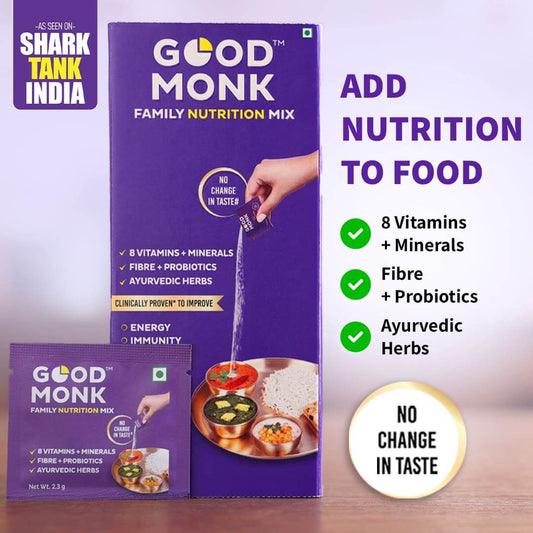
Boost the Vitamin D levels in your body with Good Monk’s family nutrition mix and 50+ nutrition mix. These supplements help support your immunity and bone health.
Vitamin D shots/injections
They are mainly prescribed by doctors, especially in severe deficiency cases. This is because they deliver a high dose of vitamin D directly to the bloodstream.
UV lamps and bulbs
They help simulate sunlight and help the body to naturally produce Vitamin D and is ideal for people who have limited sun exposure.

-
How to Choose the Best Vitamin D Source for Your Body’s Needs
Choosing the right vitamin D source is about finding what works best for your age, lifestyle, sun exposure, health status, and dietary preferences.
1. Children & Teens
- Best choices: fortified milk, egg yolks, sunlight, fortified breakfast cereals
- A great way to fill gaps: Good Monk Kids or Family nutrition mixes
-
These options provide dependable vitamin d rich food sources to support immunity and development.
2. Adults (18–50 years)
If your lifestyle includes long working hours indoors, aim for a mix of dietary sources of vitamin D rather than depending on one.
Best sources include:
- Sunlight exposure (10–30 minutes)
- Fatty fish like salmon and tuna (top vit d3 rich food)
- Ghee and paneer
- UV-exposed mushrooms for vegetarian diets
- Fortified dairy & plant milk
3. Older Adults (50+ years)
As you age, your skin becomes less efficient at producing Vitamin D.
This makes reliable food sources of vitamin D essential.
To that end, you must include these things in your diet:
- Vitamin D3-rich foods
- Supplements (Good Monk 50+ mix)
- Moderate sunlight exposure
4. Vegetarians & Vegans
If you depend largely on plant-based diets, the best d vitamin foods for you are:
- UV-exposed mushrooms (Vitamin D2)
- Fortified cereals
- Sunlight exposure (10–30 minutes)
Conclusion: The Importance of Vitamin D
Your health is your most valuable asset, and a balanced diet with sufficient Vitamin D is a critical component. By including Vitamin D-rich foods into your meals and responsibly enjoying the sun, you can bolster your bone health, support your immune system, and improve your overall vitality.
Start today by adding one or two of these foods to your plate and basking in the benefits of a diet replete with the goodness of Vitamin D. Your future health begins with the choices you make today.
FAQ on Vitamin D Sources
1. Which vegetarian food has high vitamin D?
Fortified foods like cereals, mushrooms, and plant-based milk that have direct exposure to sunlight have high concentrations of Vitamin D.
2. Can Vitamin D deficiency cause knee pain?
Yes, Vitamin D deficiency often causes bone and joint pain, including knee pain.
3. How to increase Vitamin D naturally?
Eat fortified foods, get regular sun exposure, and include egg yolks and mushrooms in your daily diet.
4. Does sunscreen block Vitamin D?
Yes, sunscreens reduce the skin’s ability to produce Vitamin D from sunlight.
5. When to take Vitamin D?
It’s best to take Vitamin D with a meal that contains fat to enhance absorption.
Related Reads:
- Vitamin C Rich Foods
- Best Vitamin B12 Foods
- Vitamin B9 Foods
- Difference between Vitamins and Minerals
About the Author
Written by the team at Good Monk—a clean and honest nutrition brand supported by doctors and food scientists. Every product is backed by clinical studies and made to help families eat better, feel better, and live healthier every day.
Popular Searches
Best Fiber Supplement | Pineapple powder | Orange energy drink powder | Probiotics for Gut Health